

Share :
Maintenance Matters: How to Extend the Life of Your Laboratory Glassware
Updated On 10/16/2025

Laboratory glassware is the backbone of accurate and reproducible results. From beakers and flasks to pipettes and burettes, every glass item plays a crucial role in ensuring precision. Yet even the highest-quality glass can degrade over time if not properly maintained.
This guide explains how to extend the lifespan of your laboratory glassware through correct cleaning, handling, and storage practices. You’ll also learn why investing in trusted brands like DWK Life Sciences, BRAND, and LLG Labware pays off in durability, safety, and long-term performance.
1. Why Proper Glassware Maintenance Is Essential
High-quality laboratory glassware is built to last—but only with proper care. Contamination, scratches, and thermal shock can cause irreversible damage, compromising accuracy or even causing breakage during experiments.
Regular cleaning and inspection help ensure:
-
Measurement accuracy (no residual films or deposits).
-
Operator safety (no hidden cracks or chips).
-
Long-term cost savings (less frequent replacements).
In regulated environments such as pharmaceutical or analytical laboratories, proper maintenance is also a compliance requirement under ISO 17025 and GLP standards.
2. Understanding Laboratory Glass Types
2.1 Borosilicate Glass (Boro 3.3)
Used by brands such as DWK Life Sciences (DURAN®) and BRAND, borosilicate glass offers exceptional thermal stability, low expansion, and high chemical resistance.
Advantages:
-
Withstands temperature ranges from –70 °C to +500 °C.
-
Resistant to acids, alkalis, and solvents.
-
Maintains clarity and calibration accuracy over years of use.
2.2 Soda-Lime Glass
More affordable and used for general-purpose glassware, soda-lime glass is less resistant to temperature and chemical stress. It’s suitable for teaching labs or short-term applications.
When longevity and accuracy are priorities, Boro 3.3 is the superior choice.
3. Cleaning Laboratory Glassware
Proper cleaning is the single most important step in maintaining glassware integrity.
3.1 General Cleaning Procedure
-
Rinse immediately after use to prevent residue buildup.
-
Use a neutral or mild alkaline detergent (avoid strong alkalis).
-
Clean using soft brushes—avoid abrasives that can scratch the surface.
-
Rinse thoroughly with distilled or deionised water to remove detergent traces.
-
Dry naturally in an inverted position on a rack or in a drying oven (≤ 100 °C).
Pro Tip: Never use hydrofluoric acid or strong caustic soda on borosilicate glass—they dissolve the silica structure.
3.2 Removing Tough Stains
For stubborn organic residues or mineral deposits:
-
Soak in chromic acid cleaning solution (use with extreme caution).
-
Alternatively, use commercial glass cleaning agents like Decon® 90 or Contrad® 70.
-
For protein residues, enzymatic detergents are safer and more environmentally friendly.
Always rinse thoroughly after chemical cleaning.
3.3 Sterilisation and Autoclaving
Autoclaving is safe for all Boro 3.3 glassware.
Best practice:
-
Ensure vessels are open to avoid pressure buildup.
-
Autoclave at 121 °C for 20 minutes under 1 bar pressure.
-
Allow gradual cooling to prevent thermal shock.
For long-term sterilisation, DWK DURAN® bottles and BRAND flasks include autoclavable caps and closure systems.
4. Handling and Storage Tips
4.1 Safe Handling
-
Inspect for cracks, chips, or etched marks before each use.
-
Avoid stacking flasks or beakers without padding.
-
Use rubber grips or tongs when handling hot glassware.
-
Always place glassware on heat-resistant mats when heating directly.
4.2 Storage
-
Store vertically to prevent warping or accidental breakage.
-
Keep in clean, dust-free cabinets with padded shelves.
-
Separate volumetric and non-volumetric items.
-
Label drawers and racks for quick identification.
LLG Labware offers durable racks, bottle carriers, and protective trays designed for safe and organised glassware storage.
5. Avoiding Common Causes of Glassware Damage
| Problem | Cause | Prevention |
|---|---|---|
| Cracks or breaks | Sudden temperature changes | Gradual heating/cooling and heat mats |
| Etching or cloudiness | Use of harsh chemicals | Neutral detergents and proper rinsing |
| Staining | Residue build-up | Immediate post-use rinsing |
| Calibration drift | Rough cleaning or abrasion | Soft brushes and microfiber cloths |
Small daily habits significantly extend the lifespan of even delicate instruments like burettes and volumetric flasks.
6. DWK, BRAND & LLG – Glassware You Can Trust
DWK Life Sciences
-
DURAN®, Wheaton®, and Kimble® glassware lines.
-
ISO-calibrated volumetric precision.
-
Thick-walled designs resist breakage during handling and autoclaving.
BRAND
-
Renowned for BLAUBRAND® measuring cylinders and flasks.
-
Individually calibrated and batch-certified.
-
Smooth, scratch-resistant surfaces simplify cleaning.
LLG Labware
-
Reliable, cost-effective solutions for daily lab use.
-
Boro 3.3 glass beakers, funnels, and bottles.
-
Excellent choice for teaching and educational laboratories.
Each of these brands provides durability, accuracy, and long-term performance—backed by decades of expertise in scientific glass manufacturing.
7. Repair or Replace?
Even the best glassware eventually wears out. Replace glassware if:
-
Calibration marks are faded or illegible.
-
The rim or neck is chipped.
-
There are hairline fractures or stress cracks.
-
Measurements show inconsistent results.
Damaged glassware poses safety risks and compromises precision—replacement is the safer and more economical choice.
8. Sustainability and Reuse
Extending the life of your glassware also supports sustainable lab practices.
-
Reusable glassware reduces plastic waste.
-
Proper maintenance lowers replacement frequency.
-
Recycling old glass through certified programs minimises environmental impact.
Both DWK Life Sciences and LLG have implemented eco-conscious manufacturing processes, reducing their carbon footprint without sacrificing quality.
9. Shop Laboratory Glassware at LabFriend
Find Australia’s widest selection of certified laboratory glassware at LabFriend.com.au, including DWK Life Sciences, BRAND, and LLG Labware.
Explore top categories:
-
Glassware & Consumables
-
DWK Life Sciences DURAN® Glassware
-
BRAND BLAUBRAND® Glassware
-
LLG Laboratory Glassware
Every product includes material details, calibration class, and cleaning compatibility information, ensuring confidence in every purchase.
10. Conclusion
Maintaining your laboratory glassware is about more than aesthetics—it’s about accuracy, longevity, and safety. By following correct cleaning, handling, and sterilisation practices, you can extend the lifespan of your instruments for years.
For dependable, precision-calibrated glassware from DWK, BRAND, and LLG, visit LabFriend - your trusted destination for laboratory excellence.
Related Stories
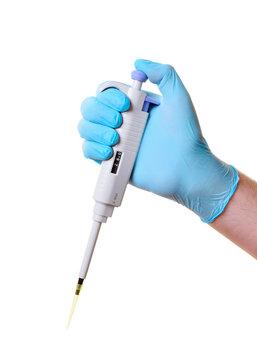
Advancements in Micropipette Technology
The advancements in micropipette technology have made labwork more efficient, safe, and reproducible. They have also made it possible to perform more complex and challenging experiments.
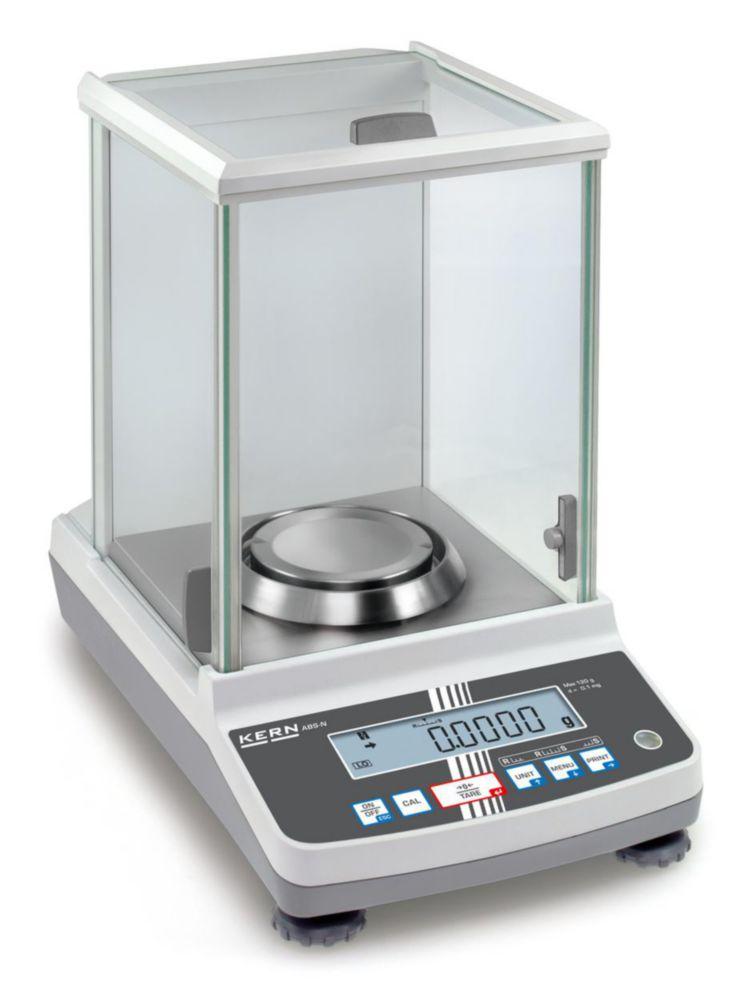
Choosing the Right Laboratory Balance: Precision, Analytical, and Moisture Balances Explained
Choosing the right laboratory balance is essential for accurate measurements in research, industry, and quality control. This article explains the differences between precision balances, analytical balances, and moisture balances, helping you select the best option based on accuracy, capacity, and application. Whether you need a precision balance for general lab weighing, an analytical balance for ultra-fine measurements, or a moisture balance for rapid moisture analysis, this guide provides expert insights. Find high-quality laboratory balances from top brands at LabFriend.
How to Choose the Right Laboratory Equipment for Your Research Needs?
Choosing the right laboratory equipment is essential for accurate results and efficient research. This guide helps you select high-quality lab instruments based on precision, budget, compliance, and maintenance needs.
Top 5 Must-Have Lab Instruments for Every Modern Laboratory
Equipping your lab with the right instruments ensures accuracy, efficiency, and reliable results. This guide explores the top 5 essential laboratory instruments—analytical balances, pH meters, centrifuges, spectrophotometers, and water purification systems—helping you choose the best equipment for your research needs.