

Share :
Maintenance Guides for Common Laboratory Equipment in Australia: Centrifuges
Updated On 09/15/2025

Centrifuges are among the most widely used pieces of laboratory equipment in Australia, essential for research, clinical diagnostics, food testing, and industrial applications. Proper maintenance not only extends the life of your centrifuge but also ensures safety, accuracy, and compliance with laboratory standards.
In this guide, we’ll outline practical maintenance steps, troubleshooting tips, and best practices for keeping your centrifuge in top condition.
Why Centrifuge Maintenance Matters
Centrifuges operate at high speeds, generating significant g-forces. Even minor issues—such as an unbalanced load or a worn rotor—can lead to equipment failure, inaccurate results, or even safety risks. Regular maintenance:
-
Reduces downtime and costly repairs.
-
Ensures compliance with Australian laboratory safety standards.
-
Extends the lifespan of your laboratory equipment.
-
Maintains reliable results for critical applications.
Daily and Weekly Maintenance Checks
-
Visual Inspection
-
Check the rotor, chamber, and buckets for cracks, corrosion, or residue.
-
Inspect lid seals and gaskets for wear.
-
-
Cleaning
-
Wipe down the chamber and rotor after each use with neutral detergent or 70% ethanol.
-
Ensure no chemical residue or biological material remains.
-
-
Balancing Loads
-
Always balance tubes by volume and weight before running.
-
Use appropriate adaptors for different tube sizes.
-
-
Noise and Vibration Monitoring
-
Listen for unusual sounds during operation, which may indicate imbalance or rotor damage.
-
Monthly and Quarterly Maintenance
-
Lubrication: Apply manufacturer-approved grease to rotor threads and seals.
-
Calibration: Verify speed and temperature settings, especially for refrigerated centrifuges.
-
Electrical Safety: Inspect cords and plugs for wear.
-
Safety Interlocks: Test lid locks and imbalance detection systems.
Annual Preventive Maintenance
For labs in Australia aiming to comply with NATA standards, scheduling annual servicing is critical. Key steps include:
-
Professional calibration and validation of speed, time, and temperature.
-
Replacement of rotors nearing their recommended service life.
-
Compressor and refrigeration checks.
-
Motor and bearing inspection.
-
Firmware or software updates for digital models.
Troubleshooting Common Centrifuge Issues
-
Unusual Vibration: Ensure rotor is seated correctly; check for balanced loads.
-
Speed Errors: May indicate worn motor brushes or belt issues.
-
Temperature Instability: Often linked to faulty seals or refrigeration components.
-
Error Codes: Refer to manufacturer manuals for brand-specific issues.
Best Practices to Extend Centrifuge Life
-
Never exceed the rated rotor speed.
-
Use only tubes and accessories recommended by the manufacturer.
-
Store rotors upside down to avoid moisture damage.
-
Keep a maintenance logbook to track usage and service intervals.
Safety Reminders
-
Never open the lid until the rotor has fully stopped.
-
Discontinue use immediately if cracks or chips are visible on the rotor or tubes.
-
Wear PPE when handling spills or broken tubes.
-
Ensure centrifuges are placed on vibration-free, level benches.
Conclusion
Centrifuges are critical pieces of laboratory equipment in Australia, supporting research, diagnostics, and industrial testing. By following structured maintenance routines, daily checks, quarterly servicing, and annual professional calibration, you can ensure long-term reliability, safety, and compliance.
At LabFriend, we provide not only high-quality centrifuges but also expert advice and resources to help Australian laboratories maintain their equipment. Investing in maintenance today ensures smooth operation and accurate results for years to come.
Related Stories
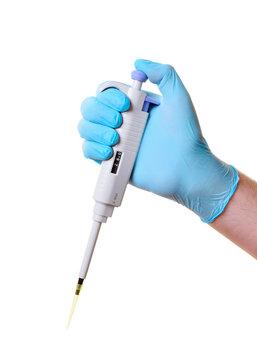
Advancements in Micropipette Technology
The advancements in micropipette technology have made labwork more efficient, safe, and reproducible. They have also made it possible to perform more complex and challenging experiments.
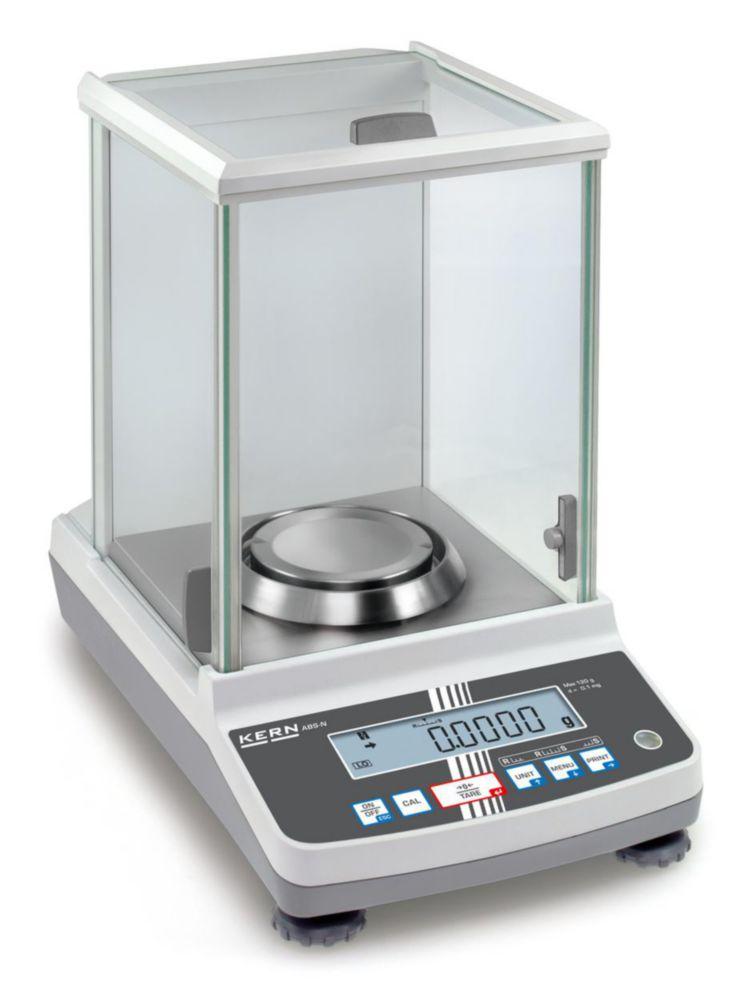
Choosing the Right Laboratory Balance: Precision, Analytical, and Moisture Balances Explained
Choosing the right laboratory balance is essential for accurate measurements in research, industry, and quality control. This article explains the differences between precision balances, analytical balances, and moisture balances, helping you select the best option based on accuracy, capacity, and application. Whether you need a precision balance for general lab weighing, an analytical balance for ultra-fine measurements, or a moisture balance for rapid moisture analysis, this guide provides expert insights. Find high-quality laboratory balances from top brands at LabFriend.

How to Choose the Right Laboratory Equipment for Your Research Needs?
Choosing the right laboratory equipment is essential for accurate results and efficient research. This guide helps you select high-quality lab instruments based on precision, budget, compliance, and maintenance needs.

Top 5 Must-Have Lab Instruments for Every Modern Laboratory
Equipping your lab with the right instruments ensures accuracy, efficiency, and reliable results. This guide explores the top 5 essential laboratory instruments—analytical balances, pH meters, centrifuges, spectrophotometers, and water purification systems—helping you choose the best equipment for your research needs.